







Search Results for: Hot Beverage Burns

Starbucks hot drink cup lid not secured causes delivery driver third-degree burns, California jury awards 360 million yuan in damages
A hot beverage accidentally tipping over from a cup holder inflicted irreversible physical and psychological trauma on an ordinary delivery worker. A California jury recently ruled that Starbucks must pay up to $50 million in damages, a total that could climb to $60 million when interest and attorney fees are included. At the heart of the case is the question of who should bear the duty of ensuring safety during the beverage handoff. Surveillance footage, medical records, and the conflicting accounts of both sides together paint the picture of a years-long legal tug-of-war. This article lays out the full sequence of events, the injured person's condition, the basis for the ruling, and Starbucks' response and intention to appeal, guiding you through this consumer safety lawsuit that has drawn widespread attention. [more…]

A septuagenarian woman in the US suffered severe scalding burns from hot coffee, and the donut shop was ordered to pay $3 million, once again drawing attention to coffee temperature safety.
A scald accident caused by a cup of hot coffee has once again ended in a massive payout. In 2021, a woman in her seventies in Atlanta, USA, suffered second- and third-degree burns when the lid came off as she collected her coffee at a Dunkin' Donuts drive-thru, and was eventually awarded $3 million. This case is strikingly similar to the McDonald's coffee scald case that caused a sensation in the 1990s, and it has also brought the issues of hot beverage temperature, cup lid safety, and employee training back into the public eye. As coffee lovers, we care about flavor, but we should not overlook the safety details behind every cup of hot coffee. Front Street Coffee has always advocated that professional production lies not only in taste, but also in responsibility to customers. [more…]

Starbucks metallic-coated mug shatters when heated: Nestlé urgently recalls 440,000 units, 10 people injured
Starbucks has long been a globally renowned "cup factory," and its released mugs are highly sought after due to their limited-edition attributes or unique designs, even becoming hot items on the second-hand market. A metallic-coated mug launched in the United States last November captured the hearts of many consumers with its dazzling appearance, with cumulative sales exceeding 440,000 units. However, this best-selling product was recently urgently recalled by its producer, the American company Nestlé. The reason is that the mug has serious quality issues: when filled with hot water, hot coffee, or placed in a microwave for heating, the cup body may crack under high temperatures, causing burns or cuts to users. The U.S. Consumer Product Safety Commission has confirmed 12 incidents, with 10 people injured. This article will sort out the ins and outs of the recall event and how consumers should handle it. [more…]

Does coffee enema really have miraculous colon-cleansing and detox effects? An analysis of the potential health risks of long-term use
In recent years, coffee enemas have attracted attention online as a so-called detox therapy, even appearing in product sales. This article traces the historical origins of this therapy, sorts out its claimed benefits, and, drawing on medical perspectives, points out that coffee enemas lack supporting research evidence and that long-term practice may disrupt gut flora and cause serious consequences such as burns or perforation. At the same time, drinking coffee itself can gently promote bowel movements, so there is no need to risk enemas. At the end of the article, Front Street Coffee's professional information channels are also retained for enthusiasts to communicate. [more…]
A Complete Guide to the Correct Way of Holding a Gaiwan for Brewing Tea and the Technique of Drinking Directly from It
The gaiwan is a common vessel in gongfu tea brewing, consisting of a bowl, a lid, and a saucer, usually made of porcelain, glass, or ceramic. This article explains in detail the usage process of the gaiwan, including warming the vessel, adding tea, pouring water, and decanting the tea, and introduces three correct ways to hold the bowl—the three-finger grip, the bowl-grasping method, and using a saucer—to help avoid burns and enhance the brewing experience. It also explains whether one can drink directly from a gaiwan and the steps for doing so, and offers buying advice for beginners, such as a standard capacity of 110 ml and porcelain gaiwans being easier to handle. Front Street Coffee recommends porcelain gaiwans suitable for beginners, balancing practicality and versatility. [more…]
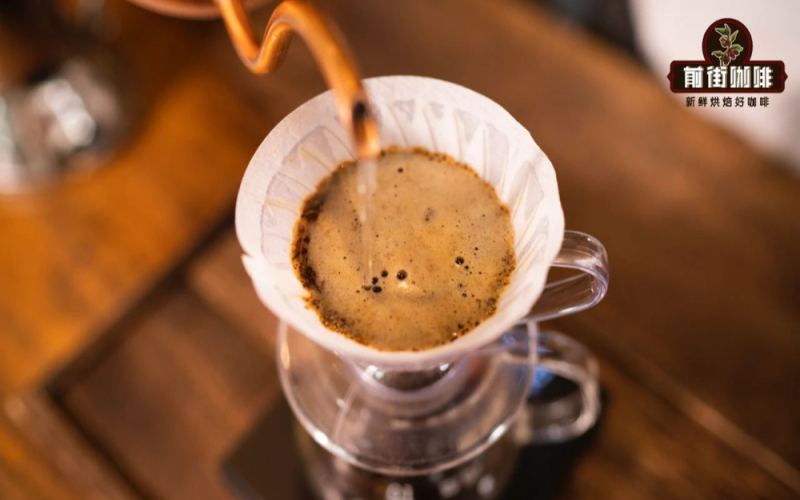
French Press vs. Moka Pot Coffee Brewing Comparison: Key Operating Points, Bean Selection Tips, and Analysis of Why the Moka Pot Burns at the Bottom
Among coffee brewing devices, the French press and the moka pot are known as "lazy person's tools" for their ease of operation, but the two differ markedly in extraction principles, flavor expression, and suitable scenarios. The French press, through immersion extraction, restores the complete flavor close to that of cupping and suits single-origin beans roasted light-to-medium to medium-dark; the moka pot, by contrast, uses steam pressure to extract a rich, full-bodied coffee liquid and is better suited to dark-roasted blends. In this article, Front Street will explain in detail the operating steps, grind size, and coffee-to-water ratio recommendations for each of the two devices, and, addressing the common problem of scorching at the bottom when using a moka pot, give specific causes and avoidance methods in terms of water level control, grind coarseness, and heating rhythm, helping coffee lovers consistently produce a good cup of coffee at home. [more…]

How Does Milk Temperature Shape Latte Flavor? A Side-by-Side Test from 40°C to 80°C
As the weather turns cooler, the demand for hot milk coffee rises noticeably. Some coffee shops, wanting takeaway customers to still feel warmth when they receive their drink, steam the milk to a temperature far above the usual 65°C or so, even close to scalding. What changes does milk temperature—whether too high or too low—actually bring to a latte? In this article, we steam milk at three temperatures—40°C, 60°C, and 80°C—and make lattes with each, comparing them one by one in terms of aroma, sweetness, milk foam texture, and overall balance, to find the more ideal serving temperature and explain why everyday cafés usually don't change their milk temperature lightly. [more…]

How Temperature Shapes Coffee Flavor: Sensory Changes and Tasting Techniques from Hot to Cool
After a cup of hot coffee sits for a while, its flavor and aroma often undergo noticeable changes, even revealing sweetness, fruity notes, or floral notes that were hard to detect right after brewing. This change is not an illusion, but the result of specific chemical reactions and physical volatilization triggered by temperature fluctuations. Coffee contains over a thousand aroma compounds, of which about forty are the more commonly occurring prominent aromas, and they are released and perceived differently at different temperatures. Front Street Coffee believes that understanding the effect of temperature on coffee not only helps you find the most suitable drinking window for each bean, but also allows you to more accurately identify the balance between acidity, sweetness, bitterness, and aroma. This article will systematically sort out the flavor evolution patterns from 82°C to below room temperature, and provide actionable tasting suggestions. [more…]
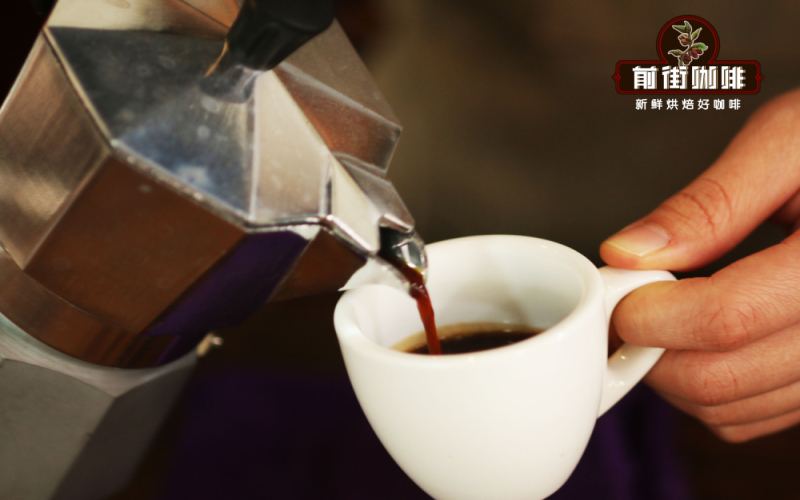
The Complete Moka Pot Brewing Guide: How to Judge Grind Size and Step-by-Step Instructions—Front Street Coffee Teaches You to Make Espresso with Ease
Want to make a rich, full-bodied cup of coffee at home with a moka pot? It's actually not complicated—the key is choosing the right beans, controlling the grind size, and getting the timing right for turning off the heat. Front Street Coffee will walk you through the complete moka pot process step by step, from bean selection and judging grind size to the specific operating steps, and also share practical tips for avoiding over-extraction and sputtering. The article also recommends Front Street's Classic Italian Blend and Dark Cocoa Blend coffee beans suitable for moka pots, and introduces a variety of ways to enjoy it, such as Americano, latte, and Vietnamese coffee, so you can easily enjoy the pleasure that a moka pot brings. [more…]
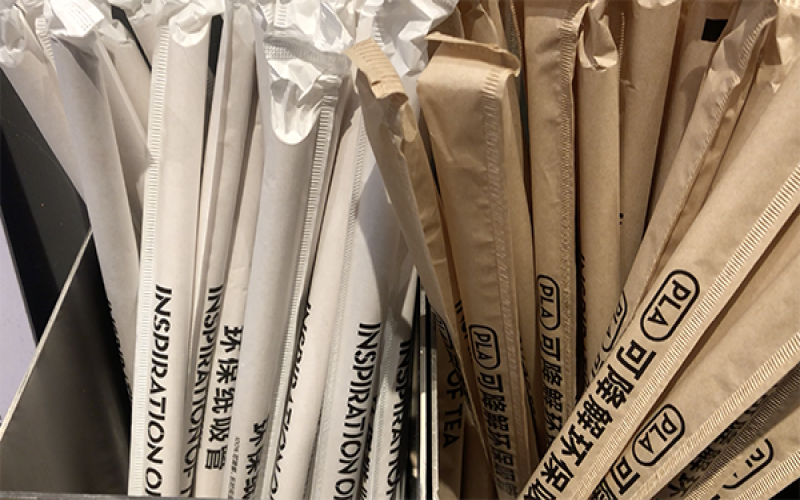
No straw with hot coffee leads to bad reviews? Let's talk about the industry conventions and consumer perception differences behind it
When winter arrives, you order a hot coffee and find there's no straw included—some people grumble about it, while others go straight to leaving a bad review. But why do businesses default to not providing straws with hot drinks? Behind this are both safety considerations—hot liquids can easily cause burns, and plastic straws may release harmful substances when exposed to heat—and a tacit consensus gradually formed across the industry. However, not all customers are veteran coffee enthusiasts, and when faced with "needing utensils" only to receive a hot drink without a straw, misunderstandings and dissatisfaction are naturally hard to avoid. This article will break down the causes and consequences of this contradiction, look at how chain brands and independent cafés respond, and consider what mindset we should adopt toward the diverse choices in how coffee is consumed. [more…]
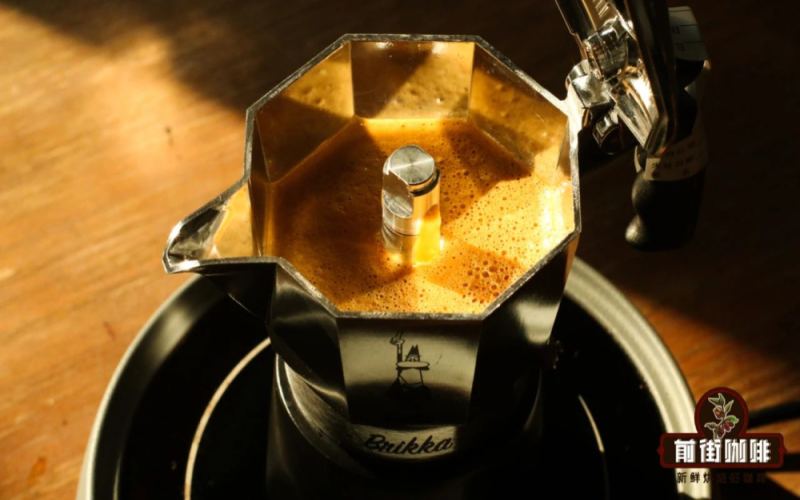
Moka Pot Illustrated Guide | Can You Use a Moka Pot on an Induction Cooker? Does Moka Pot Black Coffee Have Crema? Introduction to Moka Pot Coffee Grounds Grind Size, Extraction Ratio, and Time
For more specialty coffee knowledge, please follow our WeChat public account: Front Street Coffee (FrontStreet Coffee). As a symbol of Italian coffee culture, the moka pot is one of the most famous brewing devices in the world. Its iconic design, ease of use, and wide applicability have made it a favorite among many enthusiasts. [more…]
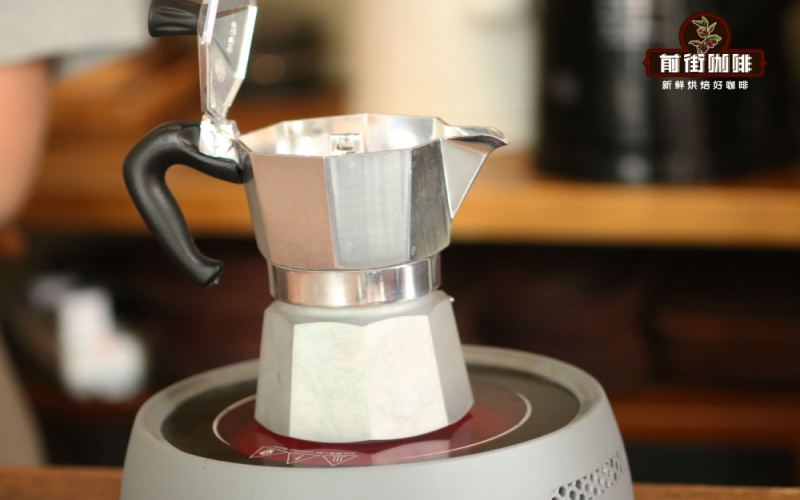
Will a moka pot explode? From principles to operational details, teaching you to safely brew rich coffee
The moka pot, with its unique pressurized extraction method, can brew rich coffee close to espresso, making it a favorite among home coffee enthusiasts. However, because it involves pressure, many people have doubts about its safety. In fact, as long as you master the correct operating steps, these problems can be completely avoided. Starting from the working principle of the moka pot, this article will explain in detail the suitable coffee bean choices, specific recommendations for the Front Street Coffee brand, and twelve usage details that must be noted—from preparing a new pot, water level control, and grounds filling, to gasket replacement, how to tighten the pot body, suitable heat sources, and troubleshooting. Whether you use an aluminum alloy or stainless steel model, these practical suggestions can help you avoid risks and consistently produce moka coffee with a rich layer of crema. [more…]
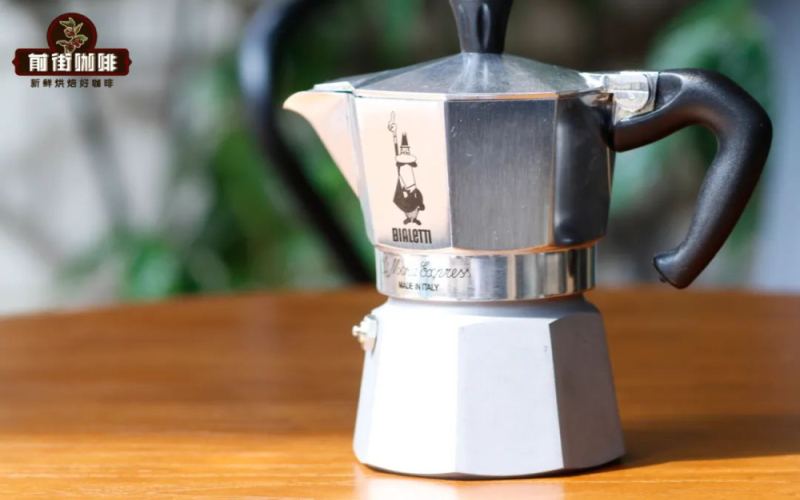
A Complete Analysis of Moka Pot Italian-Style Brewing Details: From Structural Principles to Anti-Seizing and Safe Operation
The moka pot is an extremely common classic coffee device in Italian households, with almost every home keeping one on hand. It relies on the steam pressure generated by heating the lower chamber to push hot water through the coffee grounds and into the upper chamber, thereby producing a cup of rich coffee with oils. However, in China, not many people truly understand its correct use. This article will begin with the moka pot's invention history, structural composition, and extraction principles, then explain in detail the key steps such as the water filling position, coffee distribution method, heating rhythm, and grind size. Combined with a brewing example using Front Street PWN Golden Mandheling, it will help readers avoid splashing, explosion hazards caused by improper operation, and problems such as the pot seizing shut and being impossible to open after use, so that the moka pot can produce consistent results. [more…]

Medium-Dark Roast Moka Pot Coffee Bold Extraction Guide: Heating Methods and Key Operating Points Explained
The moka pot, with its high-temperature, pressurized extraction method, can produce a rich and full-bodied coffee liquid. Since its invention in 1933 by the Italian Alfonso Bialetti, it has remained a common appliance in European households, especially in Italian kitchens. Starting from the structural principles of the moka pot, this article will explain the choice of materials and heating methods, and focus on sharing how to improve the concentration and crema performance of medium-dark roasted moka pot coffee through water temperature control, grind size adjustment, and pacing of the heating. At the same time, combined with Front Street Coffee's medium-dark roasted bean recommendations, it helps coffee lovers enjoy a thick and full cup of moka pot coffee within its optimal flavor period. [more…]
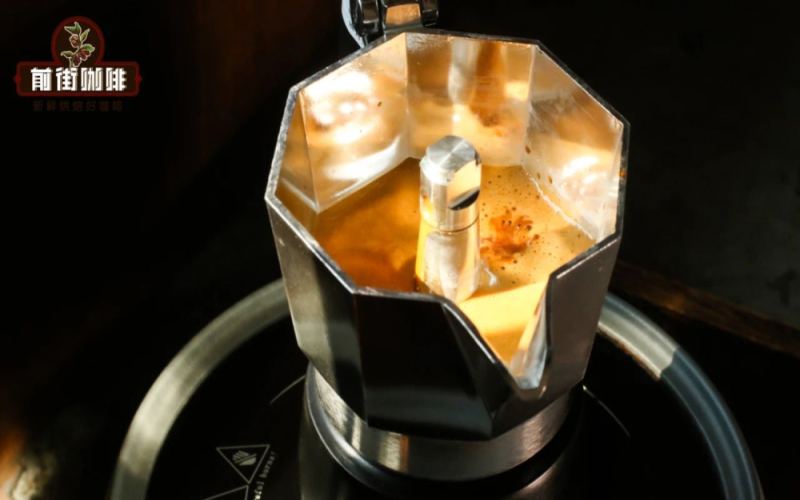
Moka Pot Brewing Troubleshooting: How to Choose Between Aluminum and Stainless Steel Models, and How to Do Daily Cleaning and Maintenance
The moka pot is a common tool for many coffee lovers brewing espresso at home, but during operation, problems such as poor flow, overly bitter or sour taste, or almost no crema are often encountered. This article focuses on the practical use scenarios of the moka pot, organizing the complete process from material selection, heating methods to extraction parameters and post-brew cleaning, and provides troubleshooting ideas for common faults. The article also combines the production experience of Front Street Coffee to explain the key points of coordination among coffee grounds amount, water amount, grind size, and heat level, helping readers more consistently make a cup of rich-bodied moka pot coffee. [more…]
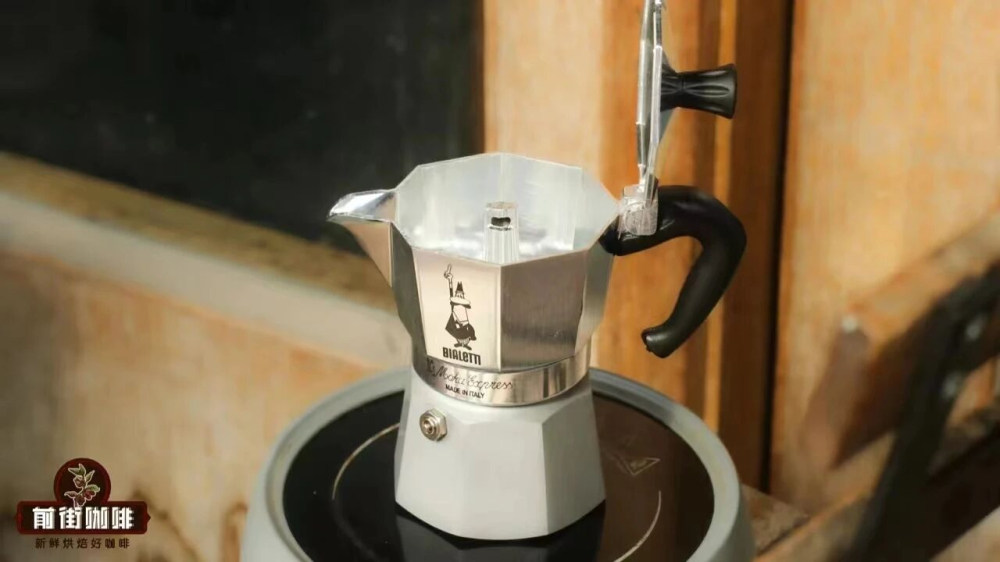
Moka Pot Coffee Bean Recommendations | Which Coffee Beans Are Suitable for Moka Pot Brewing? What Should You Do If Moka Pot Coffee Tastes Too Bitter? How to Adjust Moka Pot Coffee Grounds' Grind Size and Extraction Time?
Front Street Coffee believes the moka pot is one of the most reliable methods for brewing coffee. As long as the following points are met, you can make a decent cup of coffee: 1. The right amount of coffee grounds and water 2. A safe heating method 3. A grind size suited to moka pot extraction 4. Mastering the optimal brewing time 5. Reasonable adjustment [more…]
A Practical Guide to the Moka Pot: Extraction Principles, Operating Steps, and Why the Pot Gets Stuck
The moka pot is the most common coffee brewing device in Italian households, extracting a cup of rich, crema-topped coffee by means of steam pressure. In China, however, many enthusiasts are still unfamiliar with its correct operation, and some even encounter the problem of being unable to unscrew the body after brewing. This article begins with the moka pot's invention background and structural principles, then demonstrates the complete process step by step—filling water, adding grounds, heating, and removing from heat—and explains how grind size affects extraction safety, as well as why the body becomes difficult to open after use due to pressure differences. Front Street PWN Golden Mandheling is used for the brewing demonstration, helping readers master the key points of using this classic device. [more…]

Investigation into Winter Hand Chapping Among Luckin Coffee Baristas: The Occupational Cost of Frequent Handwashing Standards
Every winter, hand health issues among Luckin Coffee baristas erupt in concentrated fashion. On social platforms, a large number of employees post photos of their cracked, red, swollen, or even bandaged hands, drawing widespread attention. Behind this phenomenon lies Luckin's extremely strict handwashing and sanitizing procedures: wash hands for more than 20 seconds every hour, change the sanitizing-water cloth every half hour, and clean again after touching anything. Frequent bare-handed contact with tap water and sanitizer causes severe damage to the skin barrier. Although the company does not prohibit wearing gloves, most partners choose to give up protection in order to speed up order output. This article deeply analyzes this industry phenomenon, presenting baristas' real situation and ways to cope. [more…]
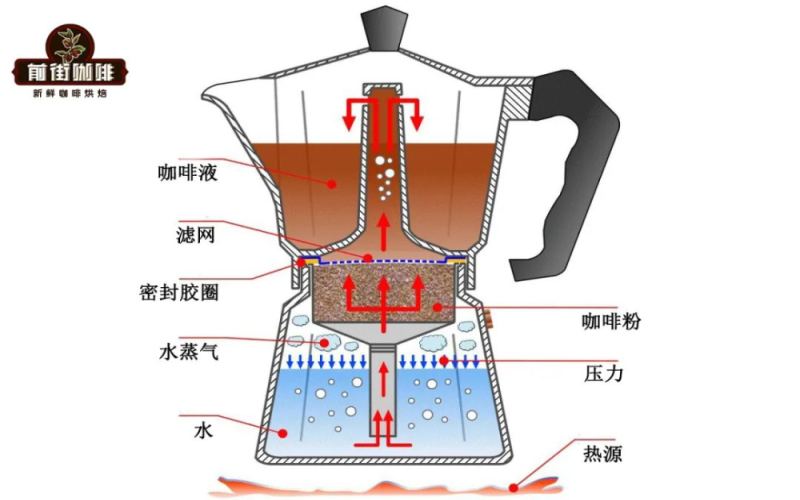
Moka Pot Features | What flavor and mouthfeel does the concentrated black coffee brewed with a moka pot have? What coffee beans are used for a moka pot? Is it safe to brew coffee with a moka pot?
The moka pot, this classic Italian coffee maker, is extremely popular in its home country—it's said that 8 out of every 10 households own this wonderful coffee-brewing device. However, in our country, the moka pot is relatively seldom used, which means many people have never had a thorough explanation of how to use it. Today, Front Street Cof [more…]
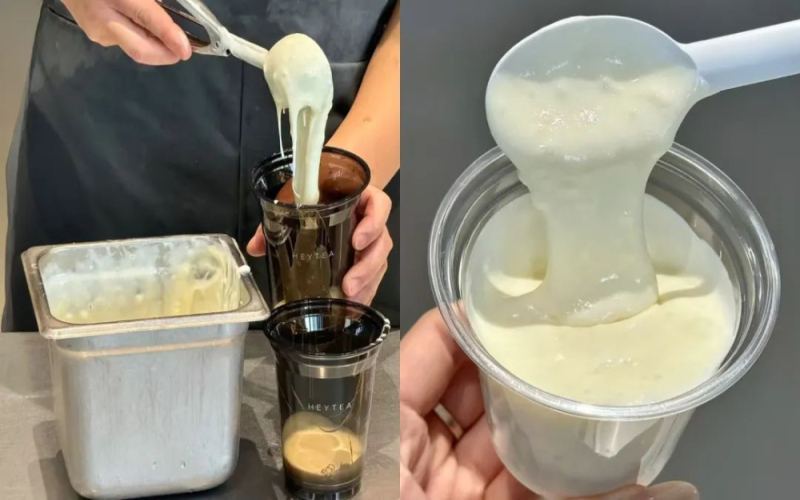
HEYTEA's New Topping "Cheese Nuonuo" Sparks Discussion: The Rice Paste Stretching Process Is So Complex That Staff Say Their Arms Ache from Stirring
New-style tea brand Heytea has recently launched a new product, "Longjing Cheese Nuonuo," across its stores nationwide, combining Longjing tea, cheese cloud top, and milk, along with a brand-new topping called "Cheese Nuonuo." However, this topping, made by mixing and whipping glutinous rice paste with the classic cheese, has sparked collective complaints from store employees due to its cumbersome production process, which requires continuous stirring for seven minutes and easily burns at the bottom, prompting them to exclaim that their "arms are about to break." This article reviews the highlights of the new product formula, the topping production process, and genuine feedback from frontline staff, taking you behind the scenes of the lesser-known preparation story of this "super filling" drink. [more…]